

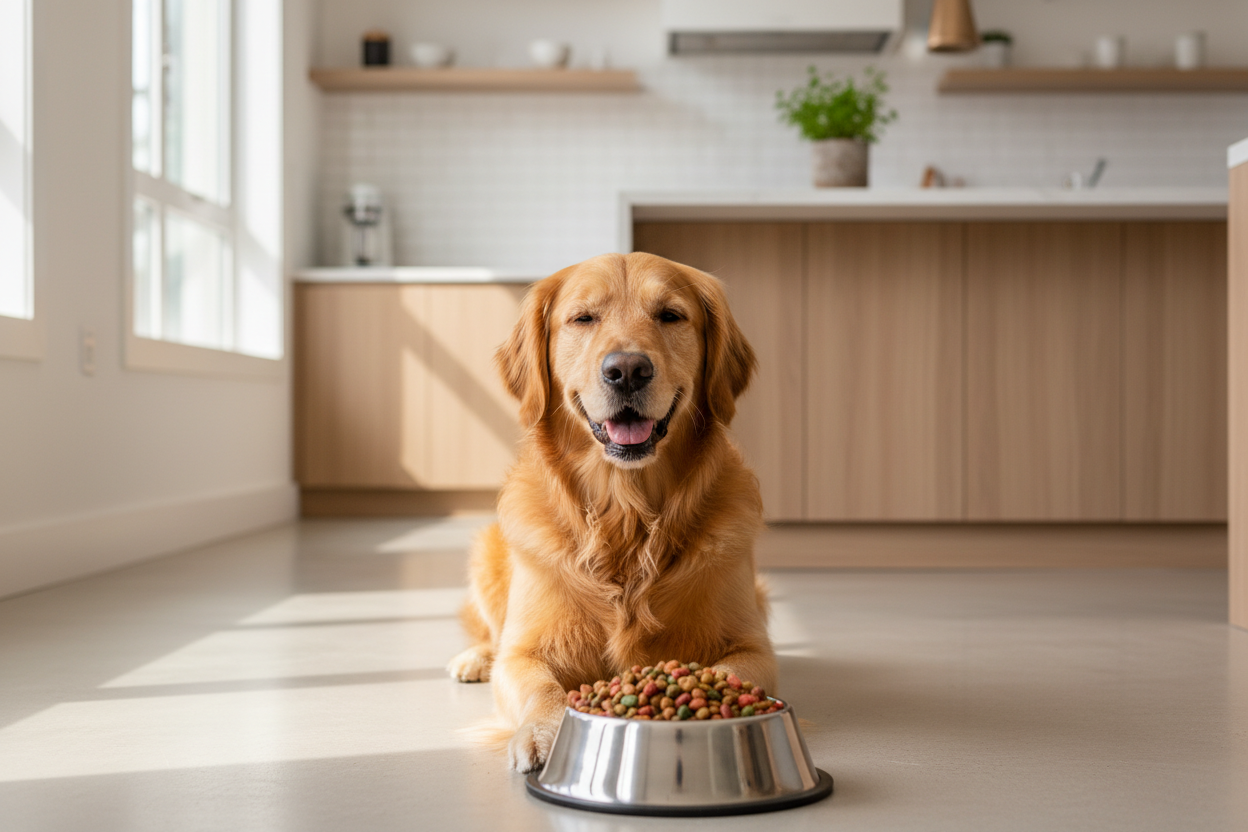
If your dog frequently experiences upset stomach, diarrhea, vomiting, or excessive gas, they may have a sensitive stomach. Choosing the best dog food for sensitive stomachs can transform your dog's health, energy levels, and overall quality of life. In this comprehensive guide, we'll explore the signs of digestive sensitivity, the key ingredients to look for, and how to select the right formula for your furry friend.
What Is a Sensitive Stomach in Dogs?
A sensitive stomach refers to a dog's digestive system that reacts negatively to certain ingredients, textures, or feeding practices. Unlike food allergies (which involve the immune system), digestive sensitivity typically involves the gastrointestinal tract's inability to properly process certain foods.
Common Signs Your Dog Has a Sensitive Stomach
- Frequent vomiting or regurgitation
- Chronic diarrhea or soft stools
- Excessive gas or bloating
- Loss of appetite or picky eating
- Gurgling stomach sounds
- Weight loss or poor coat condition
- Lethargy after meals
If your dog shows these symptoms regularly, it's important to consult your veterinarian to rule out underlying health conditions before switching foods.
Key Ingredients to Look for in Dog Food for Sensitive Stomachs
When shopping for dog food, focus on formulas designed to support digestive health. Here's what to prioritize:
1. Limited Ingredient Formulas
Limited ingredient diets (LID) contain fewer components, making it easier to identify and avoid potential triggers. These formulas typically feature:
- A single animal protein source
- One or two carbohydrate sources
- Minimal additives or fillers
2. Highly Digestible Proteins
Look for easily digestible protein sources such as:
- Chicken
- Turkey
- Lamb
- Salmon
- Venison
Premium brands use high-quality proteins that are gentle on sensitive systems.
3. Prebiotics and Probiotics
These beneficial ingredients support gut health by:
- Promoting healthy bacteria in the digestive tract
- Improving nutrient absorption
- Reducing inflammation
- Strengthening the immune system
4. Easily Digestible Carbohydrates
Choose formulas with gentle carb sources like:
- Sweet potato
- Pumpkin
- Rice (white or brown)
- Oatmeal
Avoid corn, wheat, and soy, which are common irritants for dogs with sensitive stomachs.
5. Omega Fatty Acids
Omega-3 and omega-6 fatty acids reduce inflammation and support overall digestive health while promoting a healthy skin and coat.
Ingredients to Avoid
When selecting the best dog food for sensitive stomachs, steer clear of:
- Artificial colors, flavors, and preservatives – These can trigger digestive upset
- Corn, wheat, and soy – Common allergens and difficult to digest
- By-products and fillers – Low-quality ingredients that offer little nutritional value
- High-fat content – Can exacerbate digestive issues
- Dairy products – Many dogs are lactose intolerant
Top Dog Food Formulas for Sensitive Stomachs
At PetMax, we carry a curated selection of premium formulas specifically designed for dogs with digestive sensitivities:
Specialized Sensitive Stomach Collections
Our Best Dog Food for Sensitive Stomachs collection features veterinarian-recommended formulas from trusted brands.
For targeted solutions, explore:
- Dog Food for Sensitive Stomachs
- Purina Pro Plan Sensitive Skin & Stomach Dog Food Formulas
- Nutrience Care Sensitive Skin & Stomach Dog And Cat Food
Nutrience Care Sensitive Skin & Stomach
One standout option is the Nutrience Care Sensitive Skin & Stomach line, which is specifically formulated with:
- Limited ingredient formula – Fewer ingredients to reduce potential triggers
- Highly digestible ingredients – Gentle on sensitive stomachs while providing complete nutrition
- Omega fatty acids – Supports healthy skin and coat
- Balanced fiber blend – Promotes optimal stool quality
This formula is an excellent choice for dogs who need targeted digestive support.
Premium Brand Options
Consider these high-quality brands known for digestive support:
-
Fromm Dog Food – Family-owned with carefully selected ingredients
- Nutrience Dog Food – Canadian-made with digestive support formulas
- Boréal Dog Food – Single-protein, low-glycemic formulas
Wet vs. Dry Food
Both wet dog food and dry dog food can work for sensitive stomachs. Wet food is often easier to digest and provides extra hydration, while dry kibble supports dental health. Many pet parents find success with a combination of both.
How to Transition Your Dog to a New Food
Switching to a sensitive stomach dog food requires patience. Abrupt changes can worsen digestive issues. Follow this gradual transition schedule:
7-Day Transition Plan
- Days 1-2: 75% old food + 25% new food
- Days 3-4: 50% old food + 50% new food
- Days 5-6: 25% old food + 75% new food
- Day 7+: 100% new food
Monitor your dog's stool consistency, energy levels, and appetite throughout the transition. If digestive upset occurs, slow down the process.
Life Stage Considerations
Puppies with Sensitive Stomachs
Puppies have developing digestive systems and may be more prone to upset stomachs. Choose formulas from our Puppy Food collection that are specifically designed for young dogs with gentle ingredients.
Adult Dogs
Most sensitive stomach formulas are designed for adult dog food needs, providing balanced nutrition for maintenance and digestive support.
Senior Dogs
Older dogs often develop digestive sensitivities as they age. Our Senior Dog Food collection includes easily digestible options with joint support and age-appropriate nutrition.
Beyond Food: Additional Tips for Digestive Health
Feeding Practices
- Feed smaller, more frequent meals – 2-3 meals per day instead of one large meal
- Use slow-feeder bowls – Prevents gulping and reduces gas
- Maintain consistent feeding times – Helps regulate digestion
- Provide fresh water – Essential for digestive function
Treats for Sensitive Stomachs
When choosing dog treats, opt for limited ingredient options that match your dog's food. Avoid rich, fatty treats that can trigger upset stomachs.
When to See Your Veterinarian
Consult your vet if your dog experiences:
- Blood in stool or vomit
- Severe or persistent diarrhea
- Significant weight loss
- Complete loss of appetite
- Signs of pain or distress
Quick Tips: Supporting Your Dog's Digestive Health
✓ Choose limited ingredient formulas with single protein sources
✓ Transition foods gradually over 7-10 days
✓ Feed smaller, more frequent meals
✓ Avoid table scraps and high-fat treats
✓ Keep feeding schedules consistent
✓ Ensure access to fresh water at all times
✓ Monitor stool quality and energy levels
✓ Consult your vet for persistent issues
Frequently Asked Questions
Q: How long does it take to see improvement after switching dog food?
A: Most dogs show improvement within 2-4 weeks of switching to a sensitive stomach formula. However, some may need 6-8 weeks for full digestive system adjustment.
Q: Can I mix wet and dry food for a dog with a sensitive stomach?
A: Yes! Many dogs with sensitive stomachs benefit from a combination of wet and dry food. Just ensure both formulas are designed for digestive sensitivity.
Q: Are grain-free diets better for sensitive stomachs?
A: Not necessarily. Some dogs do better on grain-free formulas, while others thrive on easily digestible grains like rice or oatmeal. It depends on your individual dog's needs.
Q: Should I choose a specific protein for my dog's sensitive stomach?
A: Novel proteins like venison or limited ingredient formulas with single proteins (chicken, turkey, or lamb) are often recommended. Identify what works best through careful observation.
Q: Can puppies eat sensitive stomach dog food?
A: Yes, but ensure the formula meets AAFCO standards for growth. Check our Puppy Food collection for age-appropriate sensitive stomach options.
Conclusion: Finding the Right Food for Your Dog
Choosing the best dog food for sensitive stomachs is a crucial step in improving your dog's health, comfort, and happiness. By focusing on limited ingredient formulas, high-quality proteins, and digestive support ingredients like prebiotics and probiotics, you can help your dog thrive.
At PetMax, we're committed to offering premium, carefully curated options that support your dog's unique nutritional needs. Explore our complete Dog Food & Treats collection to find the perfect formula for your furry family member.
Remember: every dog is different. What works for one may not work for another. Be patient, observe your dog's response, and consult with your veterinarian to create the best nutrition plan for your companion.



Share:
Best Long Lasting Dog Toys of 2026 to Keep Your Dog Busy
Pet Dental Health: Why Your Pet's Smile Matters More Than You Think