

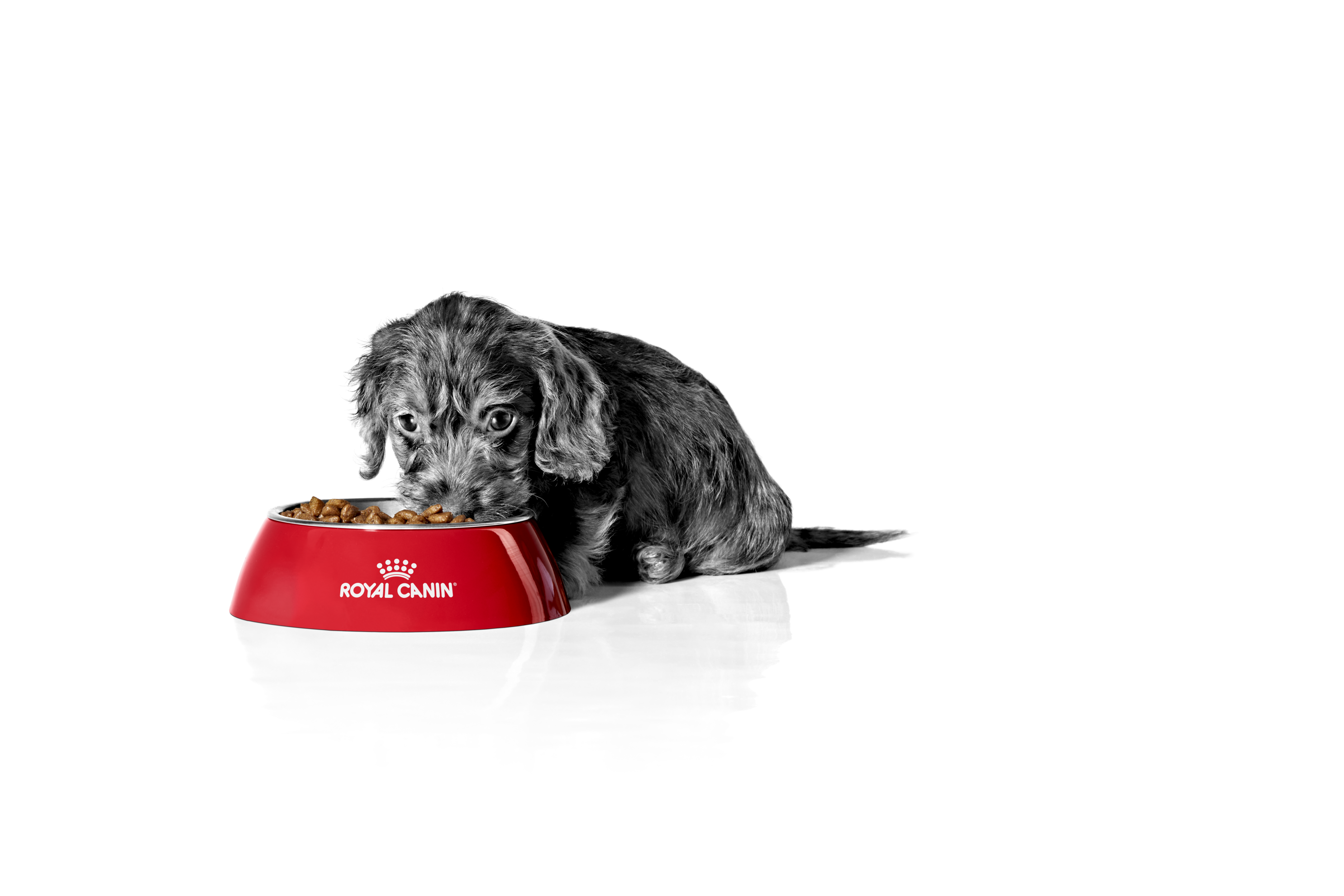
What Royal Canin stands for (and why that matters)
Royal Canin’s nutrition philosophy focuses on three pillars: putting cats’ and dogs’ needs first, nutritional precision, and continuous innovation, not human food fads. Every formula is developed from pet-focused research to deliver the exact nutrients (and kibble shapes/textures) pets need, rather than chasing trendy ingredients. 
Royal Canin is part of Mars Petcare, one of the world’s largest pet-health companies, which gives it deep R&D resources, global quality standards, and traceability across manufacturing. 
⸻
Tailored nutrition: life stage, size, and breed specificity
Life stage & size: Puppies vs. kittens, toy vs. giant breeds—their calorie needs, mineral balance, and kibble design all differ. Royal Canin engineers nutrients (and kibble geometry) to match those differences. 
Breed Health Nutrition: Breed-specific recipes (e.g., Labrador Retriever, Persian, Dachshund) consider jaw shape, typical coat/skin needs, and common breed tendencies. Kibble size/shape and nutrient profiles are designed accordingly to support breed-related needs and promote effective chewing. 
⸻
Veterinary-exclusive diets: when your vet prescribes food as medicine
Some pets need therapeutic nutrition (for example, urinary support, GI upsets, skin sensitivities, or weight management). Royal Canin’s Veterinary range is veterinary-exclusive in Canada: your veterinarian evaluates your pet and recommends the appropriate formula.
Quick note: These therapeutic diets are intended to be used under veterinary guidance and aren’t sold directly to consumers. 
⸻
Quality and food safety: what’s behind the bag
Royal Canin emphasizes ingredient standards, rigorous supplier qualifications, and “gold standard” production processes, from raw-material testing to end-of-line checks, with full ingredient traceability. That quality system is designed to deliver consistent nutrition and safety across factories worldwide. 
⸻
Understanding labels: “Complete & Balanced,” AAFCO, and calories
When you see “Complete and Balanced”, it means the diet meets established nutrient profiles (for growth, maintenance, or all life stages) and is suitable as a primary diet. In North America, those profiles are set by AAFCO; the FDA explains how nutrient guarantees are listed (as-fed vs. dry matter) and why moisture makes canned foods look different from dry on the label. 
You’ll also find calorie content (kcal) per cup or per kilogram on Royal Canin product pages—handy for portioning. Example veterinary formulas list metabolizable energy and the AAFCO adequacy statement right on the page. 
⸻
How to choose a pet food—what veterinarians recommend
The WSAVA (World Small Animal Veterinary Association) offers a practical checklist for selecting pet foods.
Key points include:
- Look for a company that employs qualified nutritionists and does robust quality control.
-
Focus on the nutrient profile and the product’s purpose (life stage/health need), not just marketing terms like “holistic.” -
Ensure there’s a complete & balanced statement for the intended life stage. 
Royal Canin’s approach aligns with these principles by prioritizing clear nutritional aims, controlled formulations, and quality systems. 
⸻
Transitioning to Royal Canin the right way (7-day plan)
Any time you change foods, transition gradually over ~7 days to help avoid GI upset: start with ~25% new food on days 1–2, 50% on days 3–4, 75% on days 5–6, then 100% by day 7. Monitor stool quality and appetite, and check with your vet if you’re changing for a medical reason. 
⸻
Frequently asked questions
Q: Do ingredients matter as much as nutrients?
A: Pets need nutrients. That’s why veterinary guidelines emphasize evaluating the nutritional adequacy and quality control over unregulated marketing terms. 
Q: What if my pet is a picky eater?
A: Palatability varies by pet. Royal Canin formulates textures, aromas, and kibble shapes to encourage acceptance—especially in small or brachycephalic breeds and selective cats. If refusal persists, talk to your veterinarian. 
Q: Can I feed supplements on top?
A: If you’re feeding a complete & balanced diet and your pet is healthy, most vitamin/mineral supplements aren’t necessary—and some combinations could lead to excesses. Always ask your vet first. 
⸻
How to pick your Royal Canin recipe at PetMax.ca
1. Start with life stage & size/breed: Puppy/kitten vs. adult vs. mature/senior, and toy/small/medium/large—or choose your pet’s breed-specific formula where available. 
2. Match special care needs: Look for targeted retail options (e.g., digestive, skin & coat). If your pet has a diagnosed condition.
3. Portion with calories in mind: Use the feeding guide as a starting point, then adjust for body condition and activity level. Calorie data on product pages helps you measure precisely. 
4. Transition slowly: Follow the 7-day plan above. 
⸻
The bottom line
Royal Canin’s value is in the details—precise nutrient design, breed-aware kibble engineering, and rigorous quality systems—guided by veterinary science rather than trends. Pair that with your veterinarian’s advice and a thoughtful transition, and you’ve got a clear, confident path to feeding your pet well. 
⸻
Sources & further reading
• Royal Canin: Nutritional philosophy; tailored nutrition overview; breed health pages. 
• Royal Canin (Canada): Veterinary range pages and availability statements. 
• Royal Canin (Canada): Quality & Food Safety. 
• WSAVA Global Nutrition Committee: Selecting pet foods guidance. 
• FDA & AAFCO: What “Complete & Balanced” means and how labels work. 
• Mars Petcare: Brand family overview. 



Share:
Canadian Thanksgiving: Why Pets Deserve a Seat at the Table
Holiday Pet Safety: Keeping Your Furry Friends Safe This Christmas Season