

Published July 2026 · ~7 min read
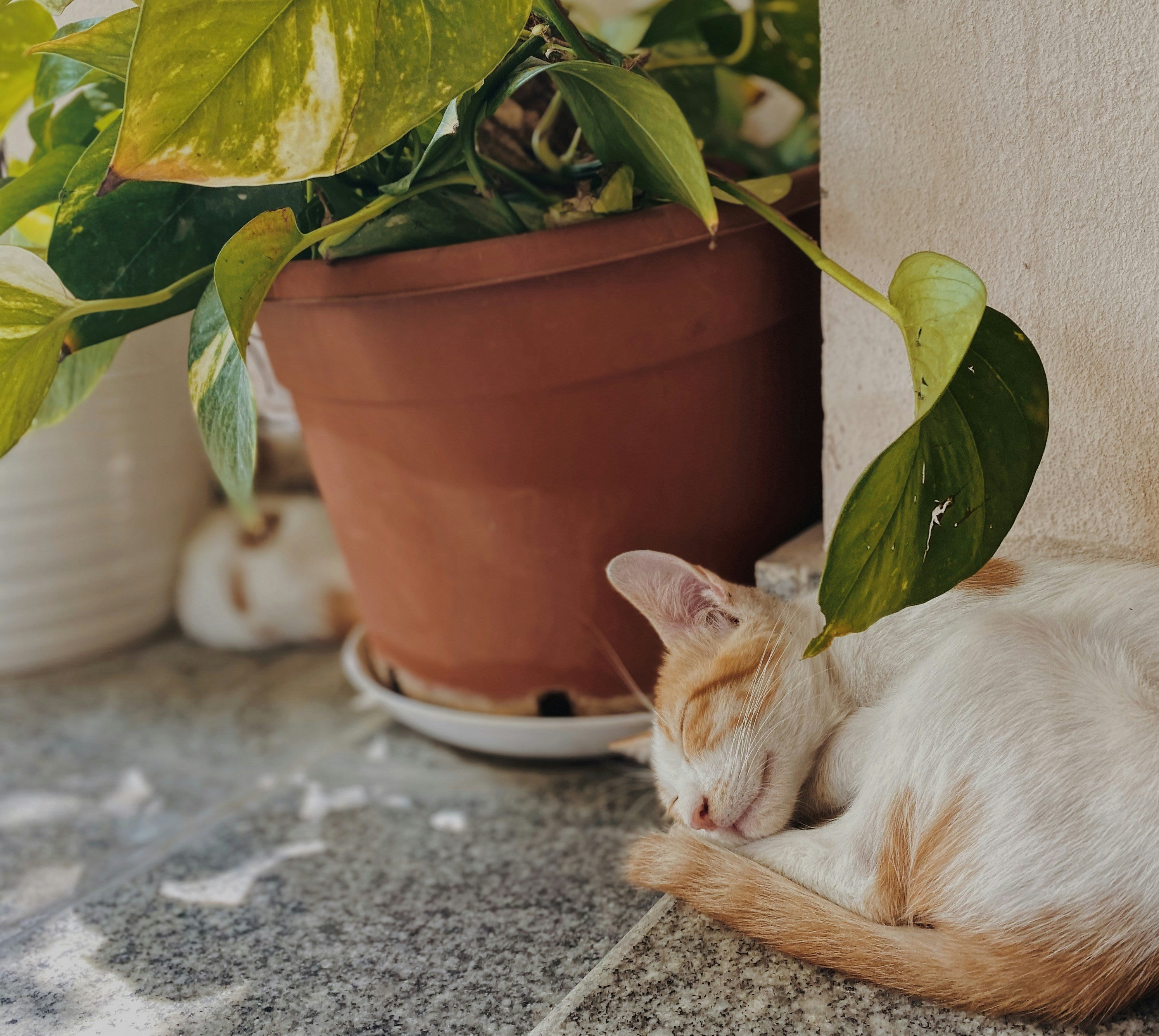
There’s a reason you see so many kittens looking for homes right now. Cats breed most in the warmer months, so summer brings a wave of litters — “kitten season” — and shelters and rescues across Canada fill up. If you’ve been thinking about adding a kitten, it’s a wonderful time to adopt, and a little preparation makes those first days calm instead of chaotic. Here’s how to get ready.
Before you bring them home: the shopping list
Have the essentials set up before the kitten arrives, so the first day is about settling in, not shopping:
- Kitten food — a food formulated for growth, not adult maintenance (more on that below).
- Litter box and litter — a low-sided box a small kitten can climb into, plus an unscented litter to start.
- Food and water dishes — shallow bowls; many cats prefer a water fountain.
- A bed and hiding spots — somewhere small and safe to feel secure.
- A scratching post — to protect your furniture and give a natural outlet from day one.
- Toys — wand toys for interactive play and a few solo toys.
- A carrier — for the ride home and every vet visit after.
- ID — a collar with a tag, and a plan to microchip.
Our New Kitten Essentials collection gathers the basics in one place if you’d like a head start.
The first day
Resist the urge to give your kitten the run of the house. Set them up in one quiet room with their litter box, food, water, bed and a couple of toys, and let them decompress. A new home is overwhelming for something so small — let them come out from under the couch on their own schedule, sit on the floor and let them approach you, and keep the first day calm and low-key. They’ll expand into the rest of the house over the following days.
Kitten-proofing — with a summer note
Kittens investigate everything with their mouths and can squeeze anywhere. Tuck away electrical and blind cords, put small swallowable objects out of reach, and secure anything that could topple. Two things deserve special attention:
- Toxic plants. Many common houseplants and garden flowers are poisonous to cats — lilies are especially dangerous and can cause fatal kidney failure from even a tiny amount. Keep bouquets and lilies out of the house entirely.
- Open windows. This is the summer one. Cats will push against screens and can fall from open windows and balconies — vets even have a name for it, “high-rise syndrome.” Make sure every screen is secure, and never rely on an open, unscreened window.
Feeding a growing kitten
Kittens grow fast and need a food made for that growth — higher in protein, fat and calories than adult food. Feed a formula labelled for kittens (or for all life stages), and expect to feed small meals more often than you would an adult cat. Many owners offer a mix of wet and dry. If you’d like a Canadian, meat-rich option, the Acana kitten range is built for growth; the Puppy & Kitten Essentials collection has more choices.
Litter, play and the vet
Litter training is usually the easy part — kittens instinctively use litter. Keep the box easy to find and clean, and the rule of thumb is one box per cat plus one spare.
Play is how kittens learn and burn energy. Use wand and chase toys rather than your hands — hands-as-toys teaches biting that isn’t cute in an adult cat — and give them that scratching post early. Browse cat toys for wands and solo toys.
The vet should see your kitten early. Book a first check-up soon after adoption for a health exam, the vaccination series, deworming and a parasite check, and to plan spaying or neutering and microchipping. If you adopted from a shelter, ask what’s already been done so you don’t double up.
Introducing a kitten to other pets
Go slowly. Keep the newcomer in their own room at first and swap scents — a blanket from each animal — before any face-to-face meeting. Introduce a resident cat or dog gradually and supervised, over days rather than minutes. Rushing introductions is the most common reason they go badly; patience almost always wins.
The bottom line
Summer’s kitten wave means a lot of little cats need homes — and a prepared home makes the transition smooth. Set up the essentials before they arrive, start them in one quiet room, kitten-proof for cords, toxic plants and open windows, feed for growth, and get that first vet visit booked. Then enjoy it: this stage doesn’t last long.
PetMax.ca is a Canadian-owned pet supply retailer based in the GTHA. We’ve been helping pet owners since 1993 and ship across Canada — free shipping on orders over $89. This article is general information, not veterinary advice. When in doubt about your pet’s health, contact your veterinarian.



Share:
Acana & Orijen Explained: Biologically Appropriate Nutrition from a Canadian Brand
Beat Summer Boredom: The Best Enrichment & Puzzle Toys of 2026