

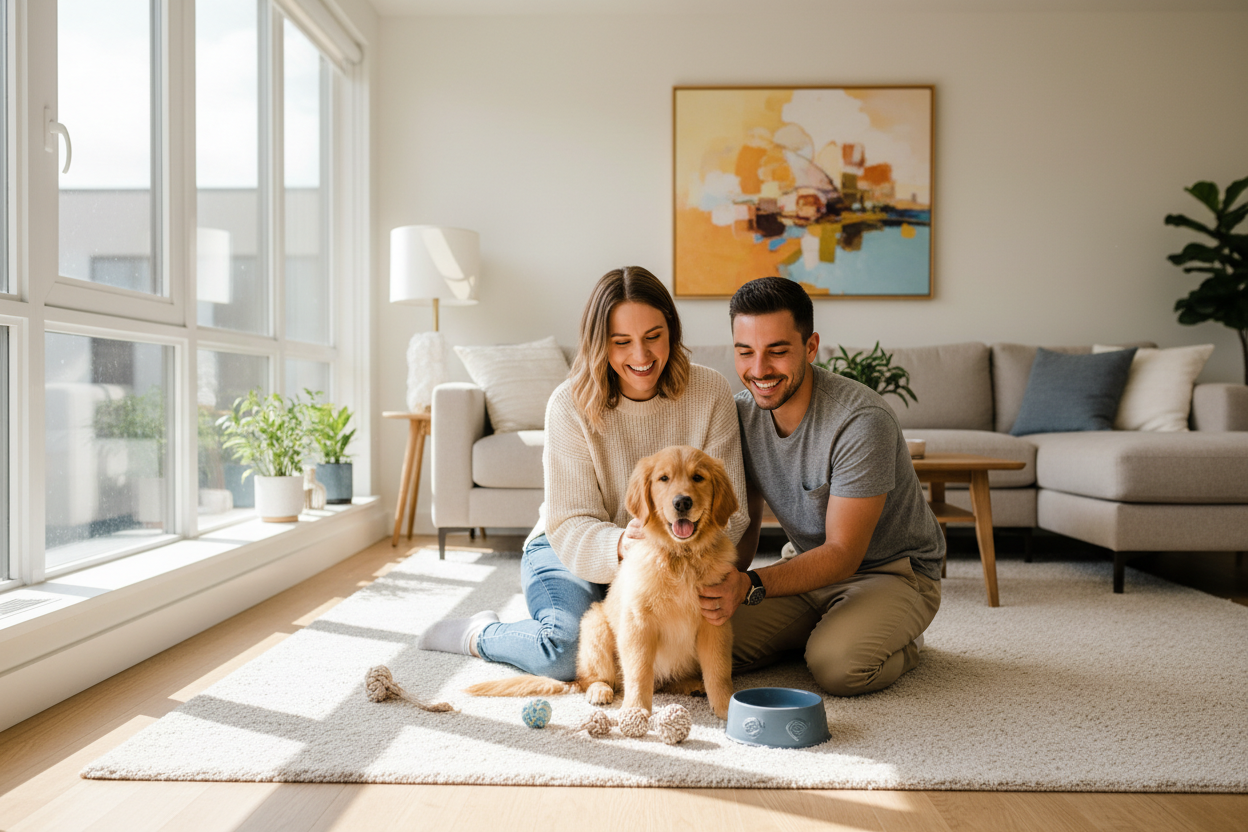
Bringing home your first puppy is one of life's most exciting adventures, but it can also feel overwhelming. Between sleepless nights, potty training accidents, and endless questions about what's normal, first-time dog owners often wonder if they're doing everything right. The good news? With the right preparation, knowledge, and supplies, you can navigate the puppy stage with confidence while setting your furry friend up for a healthy, happy life, and keeping those vet bills manageable.
Before You Bring Your Puppy Home: Essential Preparation
The key to a smooth transition starts before your puppy even arrives. Setting up your home properly will reduce stress for both you and your new companion.
Create a Safe Space
Puppies are naturally curious and will explore everything with their mouths. Puppy-proof your home by removing toxic plants, securing electrical cords, and storing household chemicals out of reach. Designate a specific area where your puppy can feel safe, this could be a crate, a playpen, or a gated room.
Stock Up on New Puppy Essentials
Having the right supplies ready makes those first few days much easier. Your new puppy essentials collection should include:
- Food and water bowls (stainless steel are easiest to clean)
- Age-appropriate puppy food formulated for growth
- A comfortable bed or crate with soft bedding
- Puppy chew toys to satisfy their natural urge to chew
- Collar, leash, and ID tag
- Enzymatic cleaner for accidents
- Grooming supplies (brush, nail clippers, puppy-safe shampoo)
Nutrition: Building Blocks for a Healthy Life
Proper nutrition during the puppy stage is critical for development and can prevent health issues down the road. This is one area where investing wisely now saves money on vet bills later.
Choose High-Quality Puppy Food

Puppies have different nutritional needs than adult dogs. They require higher protein and fat content to support rapid growth, along with specific ratios of calcium and phosphorus for bone development. Look for foods labeled specifically for puppies or "all life stages" that meet AAFCO standards.
Premium brands like Acana Puppy Food, Royal Canin Puppy Formulas, Purina Pro Plan Puppy Food, and Hill's Science Diet Puppy Formulas are veterinary-backed options that provide complete, balanced nutrition tailored to your puppy's size and breed.
Feeding Schedule and Portion Control
Puppies typically need to eat 3-4 times daily until they're about six months old, then transition to twice daily. Follow the feeding guidelines on your chosen food, but remember these are starting points—adjust based on your puppy's body condition. Overfeeding can lead to obesity and joint problems, especially in large breeds.
Treats: Use Wisely
Training treats are essential tools for positive reinforcement, but they should make up no more than 10% of your puppy's daily caloric intake. Choose small, soft treats that can be eaten quickly during training sessions.
Surviving the Puppy Stage: Training and Behaviour Basics
The puppy stage, roughly the first 3-12 months, is when your dog learns the rules of your household. Consistency and patience during this period pay lifelong dividends.
Potty Training 101
Housebreaking is often the biggest challenge for first-time dog owners. The secret? Frequent trips outside and lots of praise.
- Take your puppy out first thing in the morning, after meals, after naps, and before bed
- Choose a designated potty spot and use a consistent command like "go potty"
- Reward immediately after they eliminate outside
- Expect accidents, they're part of the learning process
- Never punish accidents; simply clean them thoroughly with an enzymatic cleaner
Most puppies can hold their bladder for one hour per month of age (a three-month-old puppy can hold it for about three hours).
Crate Training: Your Secret Weapon
Crate training isn't cruel, it taps into your dog's natural denning instinct and provides a safe space. A properly introduced crate helps with potty training, prevents destructive behavior when you can't supervise, and gives your puppy a retreat when they're overwhelmed.
Make the crate inviting with comfortable bedding and interactive toys. Never use it as punishment, and ensure your puppy gets plenty of exercise and socialization outside the crate.
Basic Obedience Commands

Start training early with simple commands:
- Sit: The foundation command that teaches impulse control
- Stay: Builds patience and prevents door-dashing
- Come: A potentially life-saving recall command
- Leave it: Prevents your puppy from eating dangerous items
Keep training sessions short (5-10 minutes), use positive reinforcement with dog treats, and make it fun. Consistency is more important than duration.
Socialization: The Critical Window
Between 3-14 weeks of age, puppies have a critical socialization window. Expose your puppy to different people, dogs, environments, sounds, and experiences in a positive, controlled way. Proper socialization prevents fear and aggression issues later in life—problems that often lead to expensive behavioral consultations or, tragically, rehoming.
Preventative Health Care: Your Best Defense Against High Vet Bills
The most effective way to avoid expensive vet bills is through preventative care. While there are upfront costs, they're minimal compared to treating preventable diseases.
Vaccinations and Veterinary Visits

Your puppy will need a series of vaccinations starting at 6-8 weeks of age, typically including:
- DHPP (Distemper, Hepatitis, Parvovirus, Parainfluenza)
- Rabies (usually given at 12-16 weeks)
- Bordetella (kennel cough)
- Leptospirosis (depending on your area)
These vaccines protect against serious, potentially fatal diseases. Missing vaccinations can result in illnesses that cost thousands to treat, if they're treatable at all.
Parasite Prevention
Fleas, ticks, heartworms, and intestinal parasites aren't just uncomfortable, they can cause serious health problems. Year-round prevention with products like Praventa topical flea and tick treatment is far more affordable than treating infestations or parasite-borne diseases.
Spaying or Neutering
Discuss the optimal timing with your veterinarian. Spaying and neutering prevent certain cancers, reduce behavioral issues, and eliminate the risk of unwanted litters. Many communities offer low-cost spay/neuter programs.
Dental Care Starts Now
Dental disease is one of the most common and preventable health issues in dogs. Start a dental care routine early:
- Brush your puppy's teeth regularly with dog-safe toothpaste
- Provide dental health products and appropriate chew toys
- Schedule professional cleanings as recommended by your vet
Preventing dental disease saves thousands in extractions and treatments for infections that can spread to vital organs.
Joint and Mobility Support
For large breed puppies especially, proper nutrition and supplements can support healthy joint development. Avoid over-exercising young puppies—their growth plates are still developing, and too much high-impact activity can cause permanent damage.
Common Puppy Health Issues and When to Call the Vet
Knowing what's normal versus what requires veterinary attention helps you respond appropriately and avoid unnecessary emergency visits.
Normal Puppy Behaviors:
- Sleeping 15-20 hours per day
- Occasional soft stool (especially after diet changes)
- Mild play biting and mouthing
- Hiccups
- Eating grass occasionally
Call Your Vet If You Notice:
- Vomiting or diarrhea lasting more than 24 hours
- Lethargy or loss of appetite
- Difficulty breathing
- Bloated or painful abdomen
- Seizures
- Inability to urinate or defecate
- Ingestion of toxic substances
Trust your instincts, if something feels wrong, it's better to call and be reassured than to wait and risk your puppy's health.
Exercise and Mental Stimulation: A Tired Puppy is a Good Puppy
Puppies have boundless energy, but they also tire quickly. The right balance of physical exercise and mental stimulation prevents destructive behaviors born from boredom.
Age-Appropriate Exercise
The general rule is five minutes of exercise per month of age, twice daily. A three-month-old puppy needs about 15 minutes of structured exercise twice a day. Avoid long runs or repetitive jumping until your puppy is fully grown.
Mental Enrichment

Mental stimulation is just as important as physical exercise. Puzzle toys, training sessions, and new experiences tire puppies out effectively. Stock up on a variety of dog toys to keep things interesting, rotating them to maintain novelty.
Building a Lifelong Bond
The puppy stage is challenging, but it's also when you build the foundation of your relationship. Here are some tips for strengthening your bond:
Spend Quality Time Together
Beyond training and care routines, simply spend time with your puppy. Play, cuddle, and be present. This builds trust and attachment.
Be Patient and Consistent
Puppies don't understand our rules instinctively—they need to be taught. Stay consistent with your expectations, and remember that mistakes are learning opportunities.
Celebrate Small Wins
Potty training success, learning a new command, or sleeping through the night, celebrate these milestones! Positive reinforcement works for humans too.
Know When to Ask for Help
If you're struggling with training or behavior issues, don't wait until they become serious problems. Professional trainers, puppy classes, and your veterinarian are valuable resources.
Transitioning to Adulthood
Around 12-18 months (depending on breed), your puppy will transition to adulthood. This is when you'll switch from puppy food to adult dog food, and your veterinary visits will shift from frequent puppy checks to annual wellness exams.
The habits you establish during the puppy stage—quality nutrition, regular exercise, preventative health care, and ongoing training—set the stage for a long, healthy, happy life together.
Quick Tips for First-Time Dog Owners
- Puppy-proof your home before bringing your puppy home
- Invest in high-quality puppy food from veterinary-backed brands
- Establish a consistent routine for feeding, potty breaks, and sleep
- Start training and socialization early
- Keep up with vaccinations and preventative care
- Provide age-appropriate exercise and mental stimulation
- Be patient—the puppy stage is temporary, but the bond you build lasts forever
- Don't hesitate to ask your vet or a professional trainer for help
Frequently Asked Questions
How much does it cost to raise a puppy in the first year?
First-year costs typically range from $1,000-$3,000 CAD, including initial veterinary care, vaccinations, spaying/neutering, food, supplies, and training. Preventative care and quality nutrition reduce long-term costs significantly.
When should I start training my puppy?
Start training the day you bring your puppy home! Even at 8 weeks old, puppies can learn basic commands and house rules. Early training prevents bad habits from forming.
How do I know if I'm feeding my puppy enough?
You should be able to feel your puppy's ribs easily but not see them prominently. Follow feeding guidelines on your chosen food, but adjust based on your puppy's body condition. Your vet can help assess if your puppy is at a healthy weight.
What's the most important thing I can do for my puppy's health?
Preventative care is number one. Keep up with vaccinations, parasite prevention, dental care, and regular vet check-ups. Quality nutrition is a close second.
How long does the puppy stage last?
The intense puppy stage typically lasts 6-12 months, though some breeds remain puppy-like until 18-24 months. Small breeds mature faster than large breeds.
Should I get pet insurance?
Pet insurance can be valuable, especially if you enroll while your puppy is young and healthy. It provides peace of mind for unexpected illnesses or injuries. Compare plans carefully to understand coverage and exclusions.
Final Thoughts
Being a first-time dog owner is a journey filled with challenges, laughter, occasional frustration, and immeasurable joy. The puppy stage tests your patience, but it's also when you establish the foundation for everything that follows. By focusing on proper nutrition with quality dog food and treats, consistent training, preventative health care, and lots of love, you'll navigate this stage successfully and avoid many common pitfalls, including expensive vet bills.
Remember, every puppy is different, and what works for one may not work for another. Stay flexible, trust your instincts, and don't be afraid to seek help when you need it. Before you know it, your tiny, clumsy puppy will transform into a well-adjusted adult dog who's been by your side through it all.
Welcome to the wonderful world of dog ownership, your adventure is just beginning!
Share:
The Best Dog Food in 2026: Premium Nutrition Guide for Canadian Pet Parents
Best Long Lasting Dog Toys of 2026 to Keep Your Dog Busy