

Published October 2026 · ~6 min read
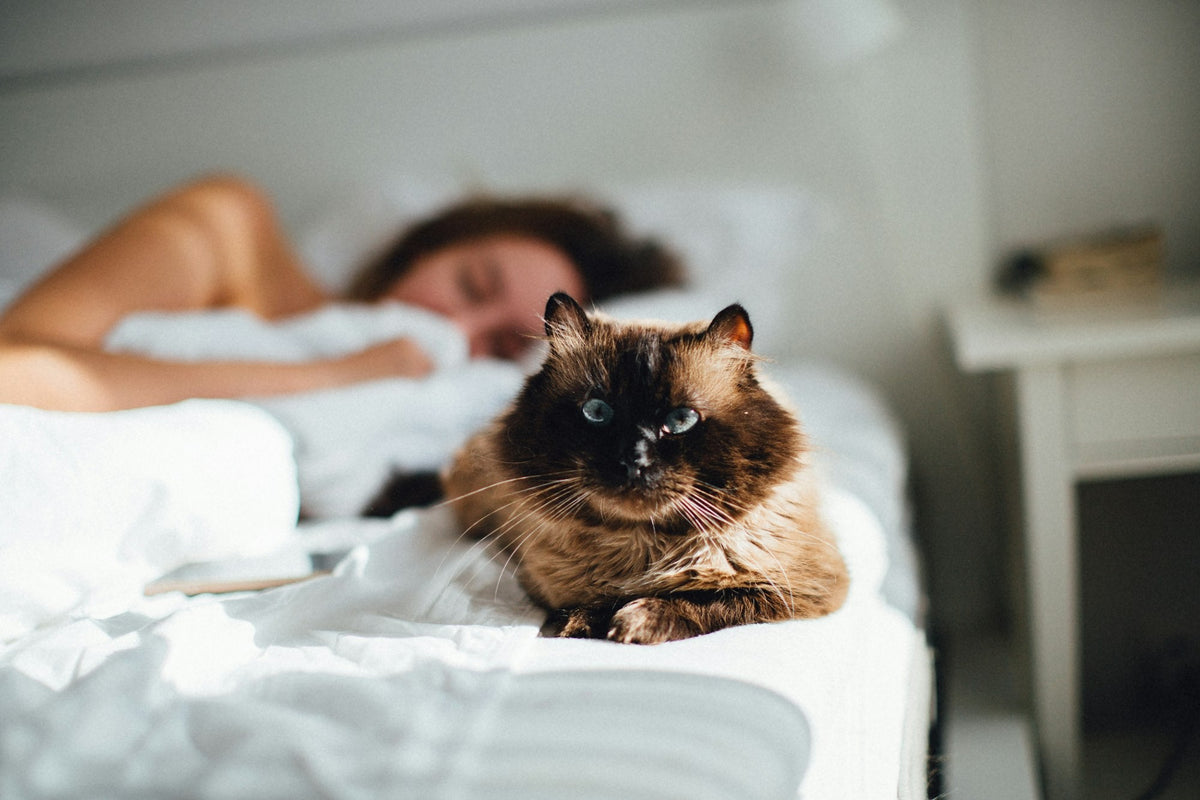
This Sunday, November 1, clocks across Ontario fall back an hour at 2 a.m. We get an extra hour of sleep. Our pets don’t, at least not the way we’d like. Dogs and cats can’t read a clock, but they know exactly when breakfast, walks and dinner usually happen, and overnight all of it moves. Add a sunset that suddenly arrives around 5 p.m. and a lot of households spend the first week of November with a dog pacing at the door and a cat yelling for breakfast before sunrise. A little prep this week makes the switch almost invisible.
Quick answer: Daylight saving time ends at 2 a.m. on Sunday, November 1, 2026, when clocks in Ontario fall back one hour. Pets run on routine, so starting Wednesday, push meals and walks about 15 minutes later each day; by Sunday your pet is already on the new schedule. Then plan for dark evening walks with reflective or light-up gear, and add indoor play to fill the longer nights.
Why does the time change affect dogs and cats?
Pets keep time with an internal body clock, and for companion animals, you are a big part of what sets it. Your dog doesn’t know it’s 7:00 a.m.; they know it’s been the usual number of hours since dinner and you’re usually up by now. When the clocks fall back, keeping the same clock times means every meal and walk suddenly happens an hour later than their body expects. That’s why the most common complaint the first week of November is a pet who wants breakfast at what the clock insists is 6 a.m.
The encouraging part: a 2025 University of Toronto study that tracked dogs through the fall time change found companion dogs followed their people’s schedules rather than the sunrise, and sled dogs on a strict routine adjusted in about a day. In other words, your routine is the lever. Change it thoughtfully and your pet comes along with you. (The researchers suggested extra patience with older dogs, whose body clocks tend to be less flexible.)
How do I adjust my pet’s schedule before the clocks change?
Shift gradually, starting a few days early. Moving meals, walks and bedtime about 15 minutes later each day lets your pet’s body clock drift over with you, instead of hitting a full hour on Sunday morning. If breakfast is normally 7:00 a.m. and dinner 5:30 p.m., here’s the plan:
| Day | Breakfast | Dinner | Notes |
|---|---|---|---|
| Wed, Oct 28 | 7:15 a.m. | 5:45 p.m. | Walks and bedtime shift by 15 minutes too. |
| Thu, Oct 29 | 7:30 a.m. | 6:00 p.m. | |
| Fri, Oct 30 | 7:45 a.m. | 6:15 p.m. | |
| Sat, Oct 31 | 8:00 a.m. | 6:30 p.m. | Halloween: feed and walk before trick-or-treaters start. |
| Sun, Nov 1 (clocks fall back) | 7:00 a.m. | 5:30 p.m. | Same clock times as before, and your pet’s body already agrees. |
Starting late? Even two or three days of 20-minute shifts helps, and most pets settle into the new schedule within several days either way. Puppies, seniors and pets with medical routines (like insulin injections timed to meals) deserve a gentler plan, so ask your vet how to shift medication times safely.
How do I stop my cat waking me up at 5 a.m.?
Feed when you’re up, not when they ask. A cat who learns that yowling at 5:00 produces breakfast will happily make it a daily habit, time change or not. What works well:
- Run a bedtime hunt. Ten minutes with a wand toy like the Cat Lures Cat Fishin wand, then a small meal. Hunt, eat, groom, sleep is the natural feline sequence, and it buys a longer night.
- Let a feeder take the early shift. A programmable feeder like the Catit PIXI Smart Feeder serves breakfast on a schedule you set in the app, so the cat stops associating you with the food bowl.
- Stay consistent. Ignore the early wake-ups calmly for a week and they usually fade. Giving in once in a while teaches them to try harder.
A cat whose night-time vocalizing is new, persistent or paired with increased thirst, appetite or weight loss should see the vet, especially seniors, since conditions like hyperthyroidism can look like a behaviour problem.
What about dogs who need an early bathroom break?
Adult dogs usually adjust within a few days. Puppies and senior dogs have less bladder capacity, so shift their last trip outside later along with everything else, and expect an early-morning request or two the first week. Keep the first outing of the day short and boring (straight out, business, straight back in) so it doesn’t turn into a 5:30 a.m. playtime habit.
How do I keep evening walks safe after dark?
Assume it’s dark and dress for it. Once the clocks fall back, the after-work walk that happened in daylight all summer happens after sunset, and dark-coated dogs are hard for drivers to see. The risk is real: the City of Toronto reports that pedestrian collisions rise by more than 30% during evening commute hours from November to March. Our team’s setup:
- Light-up gear: the RC Pets Nova LED harness makes your dog visible from every angle, not just in headlights.
- Reflective layers: the RC Pets Luna high-visibility vest goes over anything, and the RC Pets Starling reflective jacket adds warmth for the chilly nights ahead.
- Walk smart: walk facing traffic, keep the leash short at crossings, skip retractable leads in the dark, and wear something reflective yourself.
RC Pets is a Canadian company, which is a nice bonus. Our fall pet safety guide has more on staying visible through the darker months.
How do I keep my pet busy on long, dark evenings?
Move some of the exercise indoors and make it about the brain. Mental work tires pets out surprisingly well, and it’s the easiest way to fill an evening when the walk has to be shorter. For dogs, a food-dispensing toy like the KONG Wobbler or a snuffle mat turns dinner into a 15-minute project, and simple nose-work games (hide kibble around a room and say “find it”) are free. For cats, the Catit Senses electronic ball dome keeps them busy solo, and a couple of wand-toy sessions a day matter more than any gadget. Browse interactive dog toys and interactive cat toys to build a rotation.
Do pets get the winter blues?
Pets don’t get “winter blues” the way we understand them in people, but shorter days usually mean less activity for everyone in the house. Many owners notice pets sleeping more and moving less from November on, which is also when the weight starts creeping up. Keep portions matched to the new activity level (our healthy weight guide shows how), give them a warm spot to rest, and call your vet about any change in appetite, energy or behaviour that lasts more than a week or two.
The bottom line
Start this Wednesday, move meals and walks 15 minutes later each day, and by Sunday morning the clock change is a non-event for your pet. Then gear up for dark walks and plan a little indoor play for the long evenings ahead. Enjoy the extra hour of sleep (if your cat allows it).
PetMax.ca is a family-owned, Canadian pet supply retailer based in Hamilton, Ontario. We’ve been helping pet owners since 1993, ship across Canada with free shipping on orders over $89*, and offer free local delivery in Hamilton and Burlington on orders over $30*. This article is general information, not veterinary advice. When in doubt about your pet’s health, contact your veterinarian.
*Conditions Apply
Share:
Halloween Pet Safety 2026: What to Do If Your Dog Eats Chocolate (Plus Candy, Costume & Doorbell Tips)