

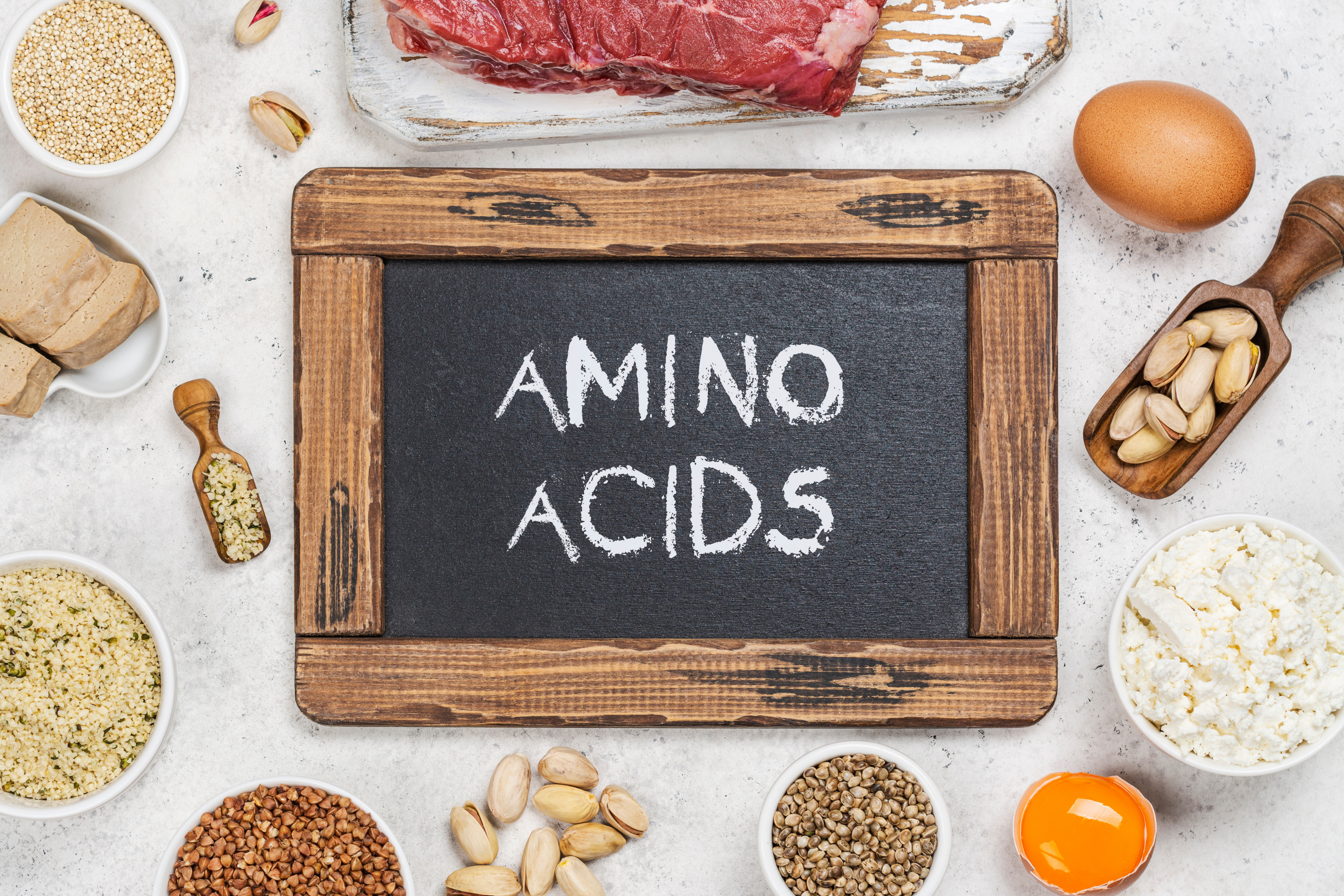
When it comes to your dog or cat’s health, amino acids are essential building blocks. These nutrients impact everything from their muscle health to their immune system. In this article, we’ll dive into the different types of amino acids, their benefits, and how you can make sure your pet is getting enough. Here’s what we’ll cover:
- What amino acids are and why they’re important.
- The difference between essential and non-essential amino acids.
- The best food sources for your pet.
- How to supplement if needed.
The Importance of Amino Acids in Pet Health
Amino acids are often called the building blocks of protein, which is vital for nearly every biological function in your pet’s body. From maintaining healthy fur and skin to ensuring strong muscles, these nutrients are indispensable. Without enough amino acids, your pet can experience issues like poor growth, lethargy, and weakened immunity.
What Are Amino Acids?
In simple terms, amino acids are compounds that form proteins, which play a major role in almost every part of your pet’s body. For example, proteins help transport nutrients, repair tissues, and create enzymes and hormones. Essentially, they’re fundamental to keeping your furry friend healthy.
Essential vs. Non-Essential Amino Acids
There are two main types of amino acids:
- Essential amino acids: These cannot be produced by your pet’s body and must come from their diet. Examples include lysine, methionine, and taurine (especially important for cats).
- Non-essential amino acids: These can be synthesized by your pet’s body. Examples include alanine and glutamine. Even though they’re produced internally, it’s still important to ensure your pet is on a balanced diet.
Benefits of Amino Acids for Dogs and Cats
Amino acids are crucial for:
- Growth and development: Especially for puppies and kittens, amino acids support the growth of strong muscles, bones, and tissues.
- Immune system: They aid in fighting off infections and maintaining overall health.
- Healthy skin and coat: Amino acids like methionine play a role in keeping your pet’s fur shiny and healthy.
-
Energy production: Amino acids are involved in the creation of enzymes that help metabolize energy, keeping your pet active and vibrant.
Types of Amino Acids Your Pet Needs
For optimal health, both cats and dogs need a mix of essential and non-essential amino acids. Here are some of the most important ones:
- Taurine: Essential for cats, taurine supports vision, heart health, and reproduction.
- Arginine: Helps remove ammonia from the body and supports kidney health.
- Lysine: Plays a role in tissue repair and muscle growth.
- Methionine: Important for skin health and detoxification.
-
Leucine and Isoleucine: Support muscle protein synthesis.
Foods Rich in Amino Acids for Dogs and Cats
Incorporating amino acids into your pet’s diet can be as simple as providing high-quality food sources. Some great options include:
- Meat and fish: Chicken, beef, lamb, and fish are excellent sources of essential amino acids.
- Eggs: A highly bioavailable source of amino acids.
- Dairy products: Milk and cheese can provide both essential and non-essential amino acids.
-
Legumes: For a plant-based option, beans and peas contain amino acids that can complement a meat diet.
Tips for Incorporating Amino Acids into Pet Meals
Here are a few practical ways to ensure your pet gets the right balance of amino acids:
- Rotate protein sources: Switching between meats like chicken, beef, and fish can offer a broad spectrum of amino acids.
- Pet food: High-quality pet food often contains balanced amino acids, so always read the label.
- Bone broth: Incorporate bone broth into meals for an extra boost of amino acids and hydration.
- Eggs: Eggs are a great source of complete protein and easy to mix with pet food.
- Supplements: Fish oil or flaxseed oil contain a balance of amino acids and healthy fats.
- Wet Food: Mixing both wet and dry will not only improve hydration but also allow exposure to multiple proteins in one meal.
Tips for Incorporating Amino Acids into Pet Meals
Ensuring your dog or cat receives adequate amino acids is one of the best things you can do for their health. These nutrients play a key role in their growth, immunity, and energy levels. Whether through food or supplements, you can help your pet thrive by including these building blocks in their daily meals.
FAQ
1. Why are amino acids so beneficial for pets?
Amino acids are essential for your pet’s overall health, promoting strong muscles, a shiny coat, and a healthy immune system. They help keep your pet active and thriving.
2. What is the difference between essential and non-essential amino acids for pets?
Essential amino acids come from your pet’s diet, making it important to provide balanced nutrition. Non-essential amino acids are naturally produced by your pet’s body, but both types work together to ensure your pet stays healthy.
3. What are some great food sources rich in amino acids for pets?
High-quality foods like chicken, fish, eggs, and dairy are packed with amino acids that support your pet’s well-being. A varied diet with these ingredients ensures your pet gets all the nutrients they need.
Author
Emma Jamieson
Nutrition Manager
Emma received a BA in Critical Animal Studies and is in her 4th year of a B.Sc.(Agr) in Animal Science at the University of Guelph.



Share:
7 Tips To Keep Your Dog Cool This Summer 🍉
Top Fall Safety Tips for Pets: How to Keep Your Dog or Cat Safe This Autumn